
FR







Discours du Xi Jinping
Nous ne saurons jamais oublier les nombreux amis français ayant apporté une contribution de poids au développement tous azimuts de la Chine. Je citerais, entre autres, le médecin Jean Augustin Bussière qui, au risque de sa vie, a transporté à vélo de précieux médicaments vers les bases de lutte contre les agresseurs japonais.
—Discours de Xi Jinping à la Conférence commémorant le cinquantenaire de l'établissement des relations diplomatiques entre la Chine et la France, le 27 mars 2014.


Remarks by Xi Jinping

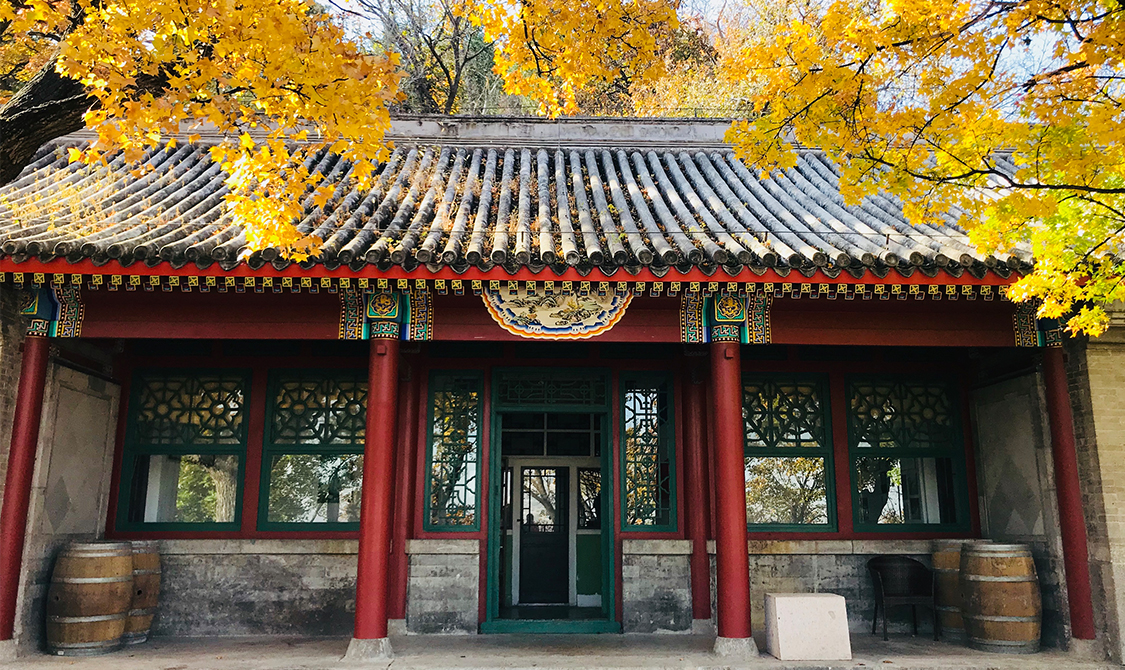
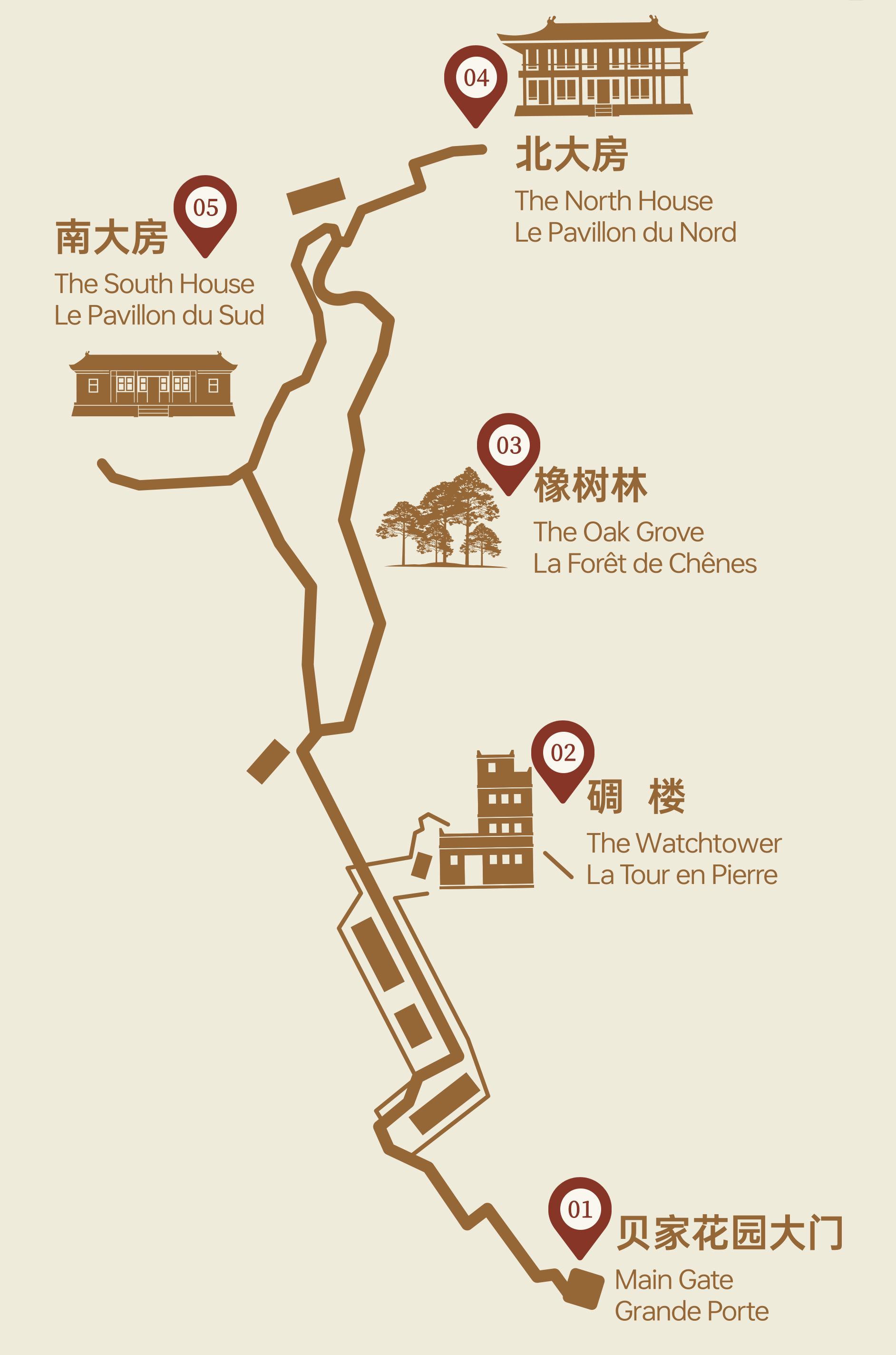
In 1923, Jean Jérôme Augustin Bussière rented a piece of private land from a local resident in Niujiangou, Xishan, Beijing and built his villa Bussière Garden.The garden’s architecture was adapted to the local topography, comprising three main structures. The first is a watchtower built of rocks; the second is a two-story building blending Chinese and Western styles, known as the North House; the third is a five-bay Chinese-style hall called the South House. Following the natural contours of the mountain, the three buildings are interconnected by mountain footpaths.In the picturesque valley of Niujiangou, he built a summer retreat for his daughter’s convalescence—marking the beginning of what would become Bussière Garden. Within this tranquil sanctuary, Dr Bussière constructed a watchtower-style clinic, where he offered free medical care to local villagers. This space gradually evolved into a unique “Sino-French medical and social hub.” By 1937, the watchtower clinic became a critical transit station for delivering medicine to Chinese anti-Japanese resistance bases.
Détails

Introduction de Bussière
Jean Jérôme Augustin Bussière (1872-1958) naquit à Chard, dans le département de la Creuse, dans la région du Limousin (centre-ouest de la France). En 1895, il obtint son doctorat en médecine à l’École principale du Service de santé de la Marine de Bordeaux.Après avoir servi 18 ans la médecine en milieu tropical en luttant contre la peste, la choléra, la variole, soignant et enseignant selon les principes de Pasteur et de ses élèves, au Sénégal, et en Inde, Dr Bussière arriva en Chine en 1913 et y vécut pendant 41 ans. Le docteur Bussière soigna d’innombrables patients, tant des dignitaires de l’époque que des gens du peuple. Il introduisit la médecine occidentale et les techniques biologiques en Chine et aida avec une résolution sans faille le peuple chinois dans sa résistance au fascisme japonais. Ce fut un véritable combattant internationaliste et un ami éternel du peuple chinois.
Détails